Mastering Tattoo Old English: A Designer's Guide
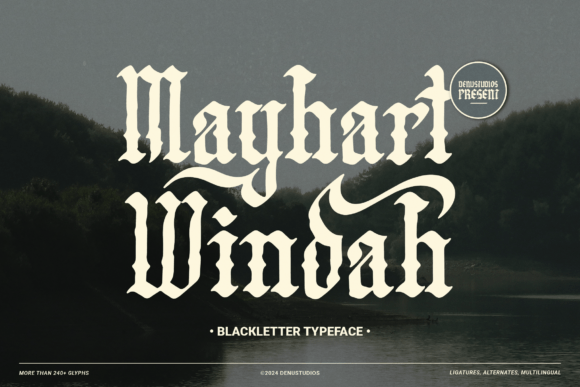
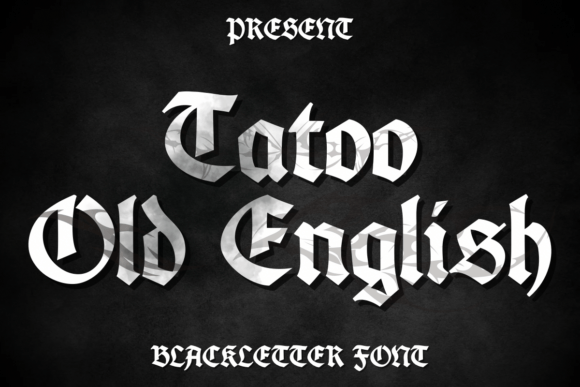
When you need a typeface that carries the weight of history but fits into a modern creative toolkit, Tattoo Old English is a standout choice. This isn't just a display font; it is a specific style of handwritten font that mimics the intricate, ornamental strokes of traditional calligraphy. While it shares DNA with classic Blackletter styles, its fluidity makes it surprisingly versatile. It strikes a balance between the rigid structure of medieval manuscripts and the personal touch of a diary entry. For designers, this typeface offers a way to inject personality and a sense of heritage into a project without feeling outdated.
The visual personality of Tattoo Old English is defined by its sharp, angular curves and heavy vertical strokes. It has a distinct "gothic" appeal that commands attention immediately. Because of this strong visual presence, it functions as a premium font asset when you need to create a focal point. It is not a sans serif font, nor is it a standard serif font; it occupies its own category as a decorative script. The aesthetic is often associated with street culture, vintage Americana, and high-contrast editorial layouts. If you are building a brand identity that needs to feel bold, authentic, or rebellious, this font sets the right tone.
Practical Applications for Modern Creators
One of the best aspects of Tattoo Old English is its adaptability across different mediums. As a creative font, it shines in projects where text is treated as a graphic element rather than just a vessel for information. You can see this typeface used effectively in logo design, particularly for barbershops, clothing lines, and music venues. It brings a gritty, authentic texture to branding materials. However, its utility goes far beyond logos. It is an excellent choice for packaging design, especially for products that want to convey a sense of craftsmanship or tradition, such as craft beers, artisanal goods, or hot sauces.
In the digital space, Tattoo Old English works wonders for social media graphics. Because the algorithm favors engagement, using a bold, stylized font for headers or short quotes can stop the scroll. It is also a fantastic option for editorial design. Imagine a magazine cover or a blog header where the title uses this font to create a dramatic hierarchy. For web design, it is best used sparingly—perhaps for a hero section title or a specific call-to-action button—to maintain a sleek user experience. Beyond commercial use, it is perfect for personal projects. It is a great tool for taking notes, writing in a diary, or creating personalized greeting cards and stationery.
Design Strategy and Readability
Using a handwritten font like Tattoo Old English requires a strategic approach to visual hierarchy. Because the letterforms are complex, readability drops significantly at smaller sizes or in long paragraphs. This is not a font for body copy; it is a display font meant for headlines and short bursts of text. If you try to write a full paragraph in this style, your audience will likely lose interest because their eyes will struggle to track the words. The golden rule here is contrast. Use it for large, impactful titles and pair it with a clean, legible body font.
Speaking of font pairing, this is where the magic happens. Tattoo Old English creates a beautiful tension when placed next to a simple sans serif font. The modern, geometric lines of the sans serif allow the ornate details of the Old English to pop without overwhelming the design. Alternatively, pairing it with a clean, modern serif font can create a sophisticated, editorial look that feels both classic and contemporary. Avoid pairing it with other script fonts or highly decorative styles, as this will create visual chaos and confuse the viewer.
Technical Considerations and Licensing
Before integrating Tattoo Old English into your workflow, it is vital to check the technical specifications. As a commercial font, you need to ensure you have the correct license for your specific use case. If you are a small business owner using the font on merchandise like t-shirts or mugs, you typically need an extended license compared to using it for a personal blog. Always review the terms regarding the number of users or the type of media.
Look at the styles included with the font file. Does it come with alternates or ligatures? Many premium fonts in this category include extra glyphs that allow you to customize the look of specific letters, which is incredibly useful for logo design. Test the font on different devices. A font that looks sharp on a high-resolution desktop monitor might look muddy on a mobile screen if the details are too fine. By testing your design assets across platforms, you ensure that your brand identity remains consistent and professional, regardless of where your audience sees it.
Ultimately, Tattoo Old English is more than just a trend; it is a versatile tool for anyone looking to add a layer of narrative to their work. Whether you are a crafter making custom stationery or a marketer designing a bold social media campaign, this font provides a direct line to a rich visual history. Use it wisely, pair it thoughtfully, and it will elevate your modern typography projects from standard to striking.